
A buyer scrolling listings after work may give your home only a couple of seconds before moving on. That means your home's first showing usually doesn't happen when someone walks through the front door. It happens on their phone.
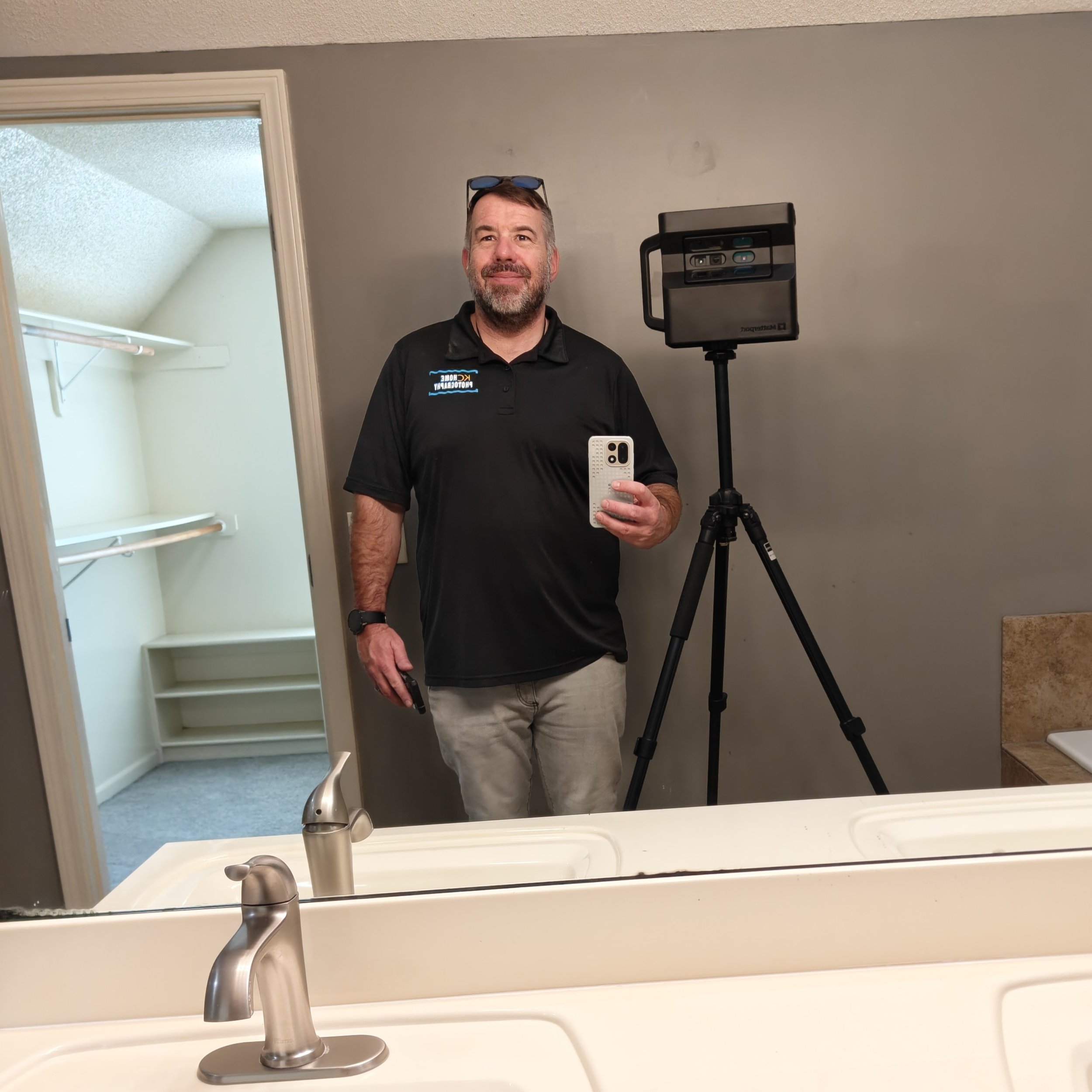
I've spent years on both sides of that equation—as a Realtor and as the owner of a real estate photography company that photographs and markets thousands of Kansas City-area homes each year. If there's one thing that experience has made clear, it's that professional real estate photography isn't about making a house look like something it isn't. It's about giving a well-prepared home a fair chance to make that first impression count.
Good listing photos should be accurate, bright, balanced and intentional. They should help buyers understand the flow of the home, notice its best features and decide it's worth seeing in person. For sellers in Gardner, Olathe, Spring Hill and across the Kansas City metro, getting that first impression right can affect everything that follows.
Professional Real Estate Photography Gets Buyers' Attention
Most buyers begin online, even when they are serious and already working with an agent. They compare price, condition, location, and layout quickly. Buyers notice more than sellers sometimes realize. Dark rooms, crooked vertical lines, awkward camera angles, cluttered countertops, open toilet lids, trash cans, pet bowls and dozens of other little distractions can pull attention away from the house. None of those things individually ruins a listing, but together they can make the presentation feel careless.
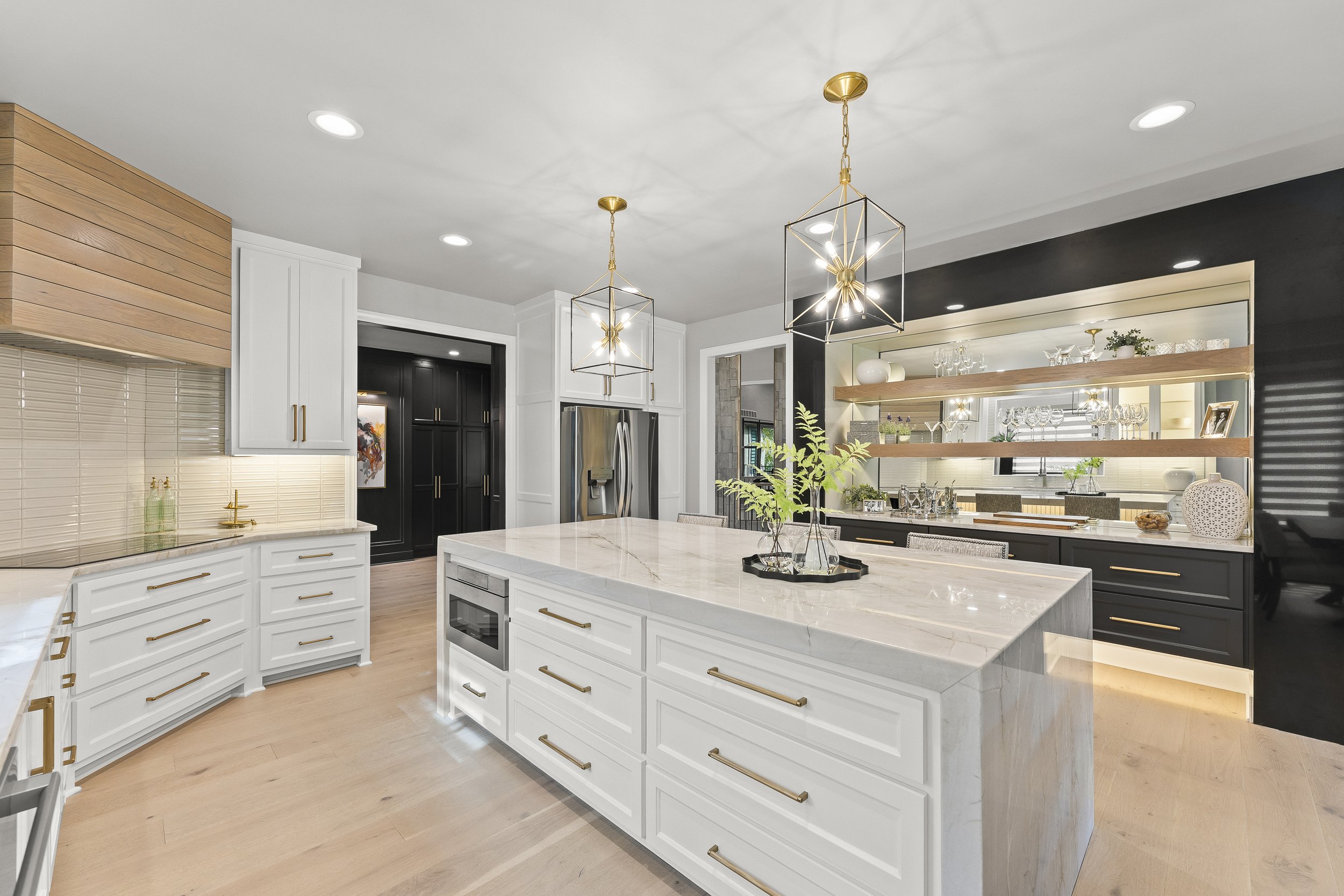
Professional photography earns the click without resorting to gimmicks. A good real estate photographer understands camera height, composition, lighting, lens choice and editing—and just as importantly, knows when not to go wider. The goal isn't to make a 10-foot bedroom look 20 feet wide. It's to show the space attractively while giving buyers a realistic understanding of the room.
That matters because buyers do not always separate the quality of the photos from the quality of the property. If the presentation feels rushed, some will assume the maintenance, pricing, or transaction could be rushed too. It may not be fair, but it is real buyer behavior.
Better photos help buyers picture daily life
A strong image does more than document a room. It gives context. Buyers can see where a dining table fits, how the kitchen connects to the family room, whether a backyard has room for kids or dogs, or how a finished basement might serve their needs.
This is especially valuable for relocating buyers and busy families who cannot tour every home that looks acceptable on paper. Clear photos help them narrow the list with more confidence. When they arrive for a showing, they are more likely to be genuinely interested rather than simply curious.
Great Photography Is the Beginning, Not the Entire Marketing Plan
Professional photography is the foundation of listing marketing, but I've never believed photos alone constitute a marketing plan. A strong listing should give buyers multiple ways to understand the property before they ever schedule a showing.
That's why my listing presentation can include professional photography, floor plans, aerial photography when appropriate, video, 3D tours, dedicated property websites and digital marketing. Just as importantly, the MLS information itself needs to be complete and accurate. Beautiful photographs may earn the initial click, but the rest of the presentation needs to give buyers reasons to keep looking.
When the photos are well executed, the home has a consistent look wherever a buyer sees it. That consistency builds credibility. A buyer may first notice the home in a social post, look at the full gallery later, and send it to a spouse or family member that evening. Each touchpoint should make the home easier to remember.
The strongest photo plan also tells a logical story. It usually begins with the exterior and main living spaces, then moves through the kitchen, bedrooms, bathrooms, basement, outdoor areas, and special features. The goal is not to photograph every corner just because it exists. It is to show what makes the property useful and distinct.
For example, a home near schools and neighborhood amenities may benefit from an inviting exterior, family-friendly living spaces, and a usable yard. A maintenance-light townhome may need clean, accurate photos that emphasize layout, updates, and convenience. An investor-owned property may require straightforward images that make condition and improvement potential clear. The right approach depends on the home and likely buyer.
Great Photography Helps Buyers See the Value
Photos cannot justify an unrealistic price. No amount of bright editing will overcome a home that is priced above comparable sales or has major condition issues buyers can see during a showing. Straight talk matters here: professional media works best when it supports disciplined pricing, thoughtful preparation, and an honest description of the property.
What it can do is help buyers recognize the value that is already there. A renovated kitchen, clean lower level, new deck, oversized garage, or well-kept landscaping is easier to appreciate when it is photographed properly. That can lead to more qualified interest early in the listing period, when a property is freshest to the market.
Early momentum matters because buyers watch days on market. If a home sits, buyers naturally ask why. Sometimes the answer is completely reasonable - perhaps inventory shifted, a price adjustment is needed, or the home has a specialized buyer pool. But it is better to begin with a presentation that puts the home in its best honest light rather than spend the first week recovering from poor images.

Preparation Comes Before the Camera
A professional photographer is not a substitute for preparation. In fact, clean, well-composed images make clutter and deferred maintenance more visible. Sellers get the best results when they treat photography day as a real marketing deadline.
Start with the rooms buyers will care about most: entry, living area, kitchen, primary bedroom, bathrooms, basement, and outdoor spaces. Clear counters, remove personal photos and pet items, open blinds, replace burned-out bulbs, and put away extra furniture that blocks the natural flow of a room. The goal is not to make the home sterile. It is to make its size, condition, and function easy to see.
Outside, mow the lawn, sweep the porch and patio, move trash bins out of sight, and handle obvious touch-ups if time allows. Kansas City weather does not always cooperate, so exterior timing may need flexibility. A gray day is not automatically a problem, but heavy rain, snow-covered clutter, or a windblown patio can make a first impression harder than it needs to be.
A hands-on Realtor should help set expectations before the photographer arrives. That includes identifying what needs attention, coordinating the schedule, and making sure the listing is ready to go live once the images are delivered. Details like these keep a sale from feeling more stressful than it needs to be.
Good Real Estate Photography Should Still Look Like the House
There's a difference between presenting a home professionally and misrepresenting it.
I tell sellers all the time that we photograph a house like a bride on her wedding day. She doesn't look like a different person—she looks like the very best version of herself. She's spent hours on hair and makeup, she's wearing perfectly tailored clothing, and everything has been planned to make her look her best.
A house deserves the same treatment. After weeks of cleaning, decluttering, staging, making repairs and preparing for the market, photography day is its wedding day. Good lighting, careful composition and professional editing aren't there to turn it into a different house. They're there to show the house at its absolute best.
That's where I draw the line with real estate photography. I want rooms bright, colors accurate, windows controlled, vertical lines straight and compositions intentional. What I don't want is a photograph that makes a small bedroom look enormous or editing that removes permanent defects or features a buyer will discover five minutes into the showing.
If the photos create expectations the house can't meet, the showing begins with disappointment. I'd much rather have a buyer walk through the door thinking, “This looks just like the photos,” than “Wow, those pictures were deceptive.”
The Real Return Is Better-Qualified Interest
Sellers sometimes ask whether professional photography is worth the cost. For a traditional residential listing, I don't think it should even be a question the seller has to answer. Professional photography is part of how I market the home.
The goal isn't collecting likes or creating a beautiful gallery for its own sake. It's attracting buyers who understand what your home offers and want to see it in person. Better-qualified showings mean better feedback, a clearer understanding of how the market is responding, and ultimately a better opportunity to find the right buyer.
I've spent 18 years photographing and marketing Kansas City real estate, and that experience has heavily influenced how I approach selling homes as a Realtor. Pricing matters. Preparation matters. MLS details matter. Photography matters. None of them works particularly well in isolation.
Before your home goes live, look at it the way a buyer will: on a phone screen, surrounded by dozens of competing listings, without you standing beside them explaining why your house is special.
My job is to make sure your listing does that explaining for you.
